
Slipped Disc: Do You Really Need Surgery?
Most slipped discs heal without surgery — and a good surgeon will tell you so. Learn when conservative care is enough and when keyhole surgery is the answer.
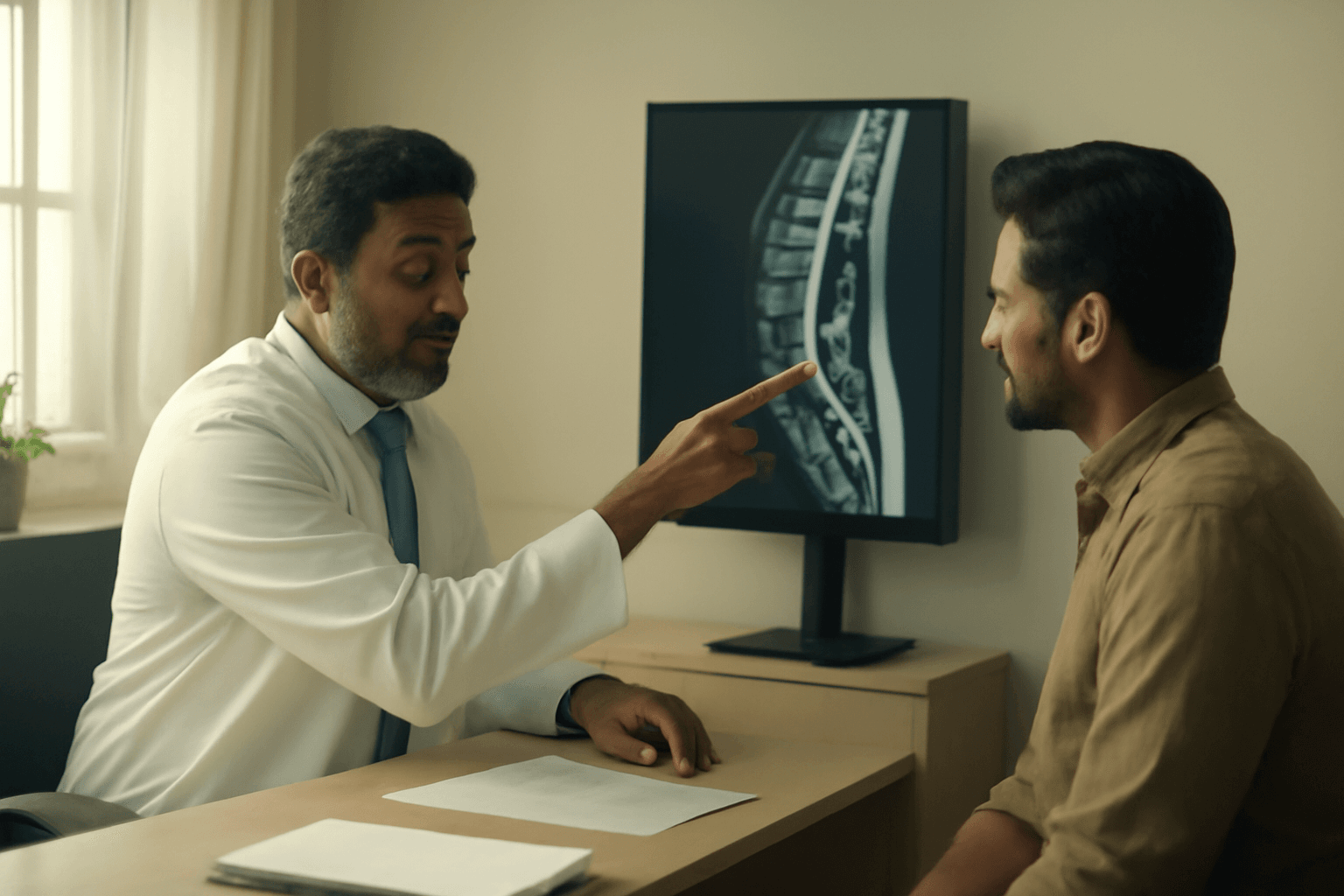
Being told you have a slipped disc sounds dramatic, and the fear that follows is usually 'does this mean an operation?'. For most people, the answer is no. Understanding why can take a lot of the worry out of the diagnosis.
Between each of the bones in your spine sits a disc, a tough cushion with a softer centre. A slipped or herniated disc happens when that softer centre bulges out through a weak point in the outer wall. The problem is rarely the bulge itself — it is when the bulge presses on a nearby nerve that you feel pain, often shooting down a leg or arm, sometimes with numbness or tingling.
Here is the part that surprises people: most slipped discs heal on their own. The body gradually reabsorbs the bulging material, and the pressure on the nerve eases over weeks to a few months. Staying gently active, doing the right physiotherapy exercises, managing pain so you can keep moving, and avoiding long spells of bed rest are what carry the majority of patients through to recovery without any surgery at all.
A trustworthy surgeon will tell you this honestly rather than rushing you towards an operation. At KT Hospital that honesty is the starting point — most backs are given the chance to heal first.
Surgery is genuinely needed in a minority of cases, and the signs are fairly clear. If pain remains severe despite weeks of proper conservative treatment, if there is progressive weakness in a limb, or if there are warning signs such as numbness around the groin or loss of bladder or bowel control, then relieving the nerve surgically is the right choice and should not be delayed.
When surgery is needed, it no longer means a large open operation. A keyhole microdiscectomy removes just the fragment of disc pressing on the nerve through a tiny incision, and most patients walk the same day and go home within two to three days.
If you have been diagnosed with a slipped disc and are unsure what to do next, get an honest second opinion. Dr. Durai Murugan at KT Hospital, Dindigul, will show you your own scan and tell you plainly whether your back is likely to heal on its own.
Frequently asked questions
Do most slipped discs need surgery?
No. The majority heal on their own over weeks to months with activity, physiotherapy and pain management.
When is slipped disc surgery necessary?
When severe pain persists despite conservative care, when there is progressive weakness, or when there are warning signs like loss of bladder or bowel control.
What is keyhole microdiscectomy?
A minimally invasive procedure removing only the disc fragment pressing on the nerve, with most patients home in two to three days.
Have a question about your health?
Our specialists are here to help. Book an appointment or call us any time — we're open 24 hours.

Sciatica: Why the Pain Shoots Down Your Leg, and When to See a Doctor
Sciatica causes sharp pain that travels down the leg. Learn the warning signs, what relieves it, and when surgery is needed — KT Hospital, Dindigul.
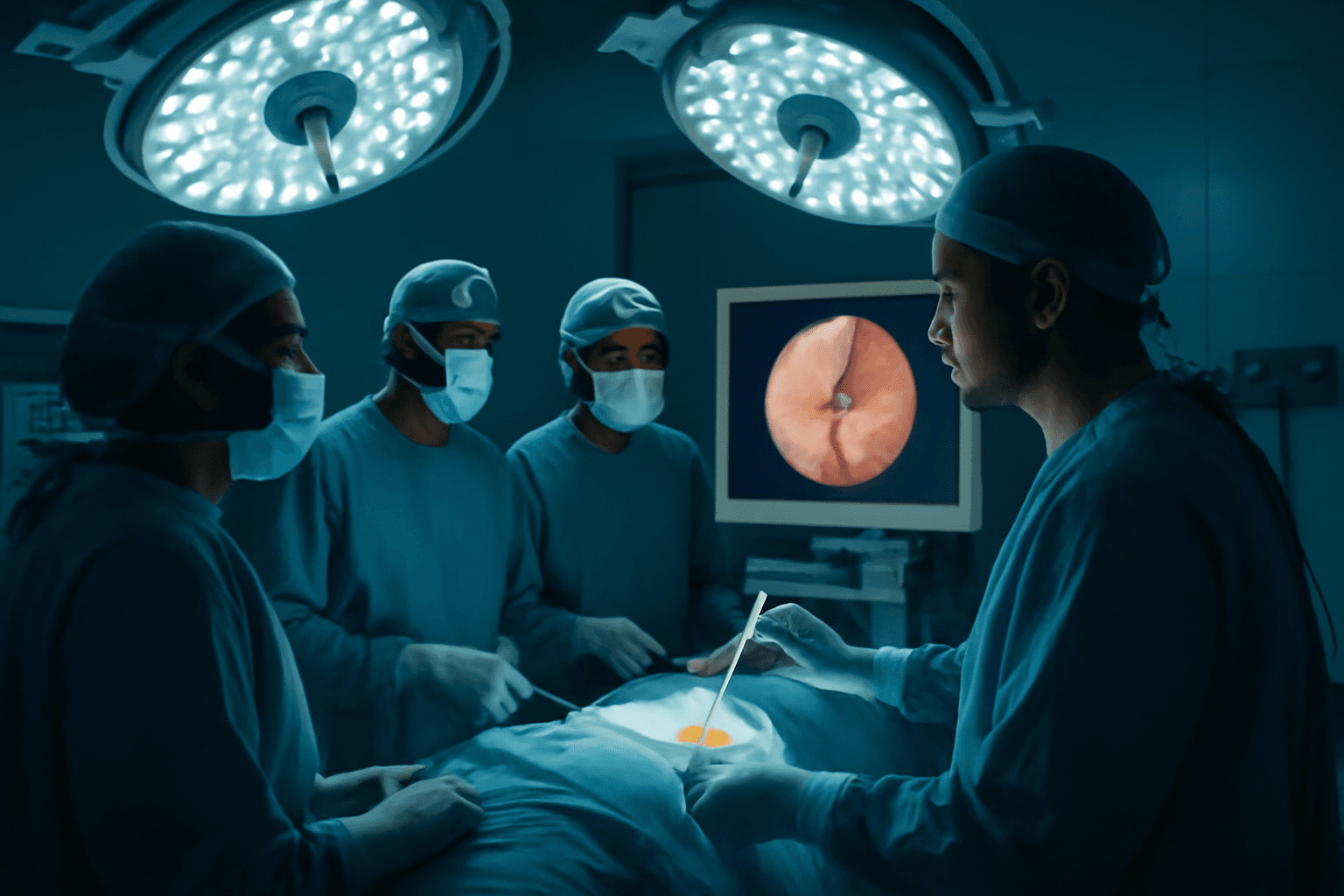
Endoscopic Spine Surgery: The Keyhole Procedure That Lets You Walk the Next Day
Endoscopic spine surgery uses an 8mm cut so most patients walk the next day. See how it treats slipped disc and sciatica at KT Hospital, Dindigul.