Osteoporosis After 50: Protecting Your Bones Before a Fracture Happens
Weak bones often show no symptoms until a fracture. Learn how to protect bone strength after 50 with diet, exercise and testing — KT Hospital, Dindigul.
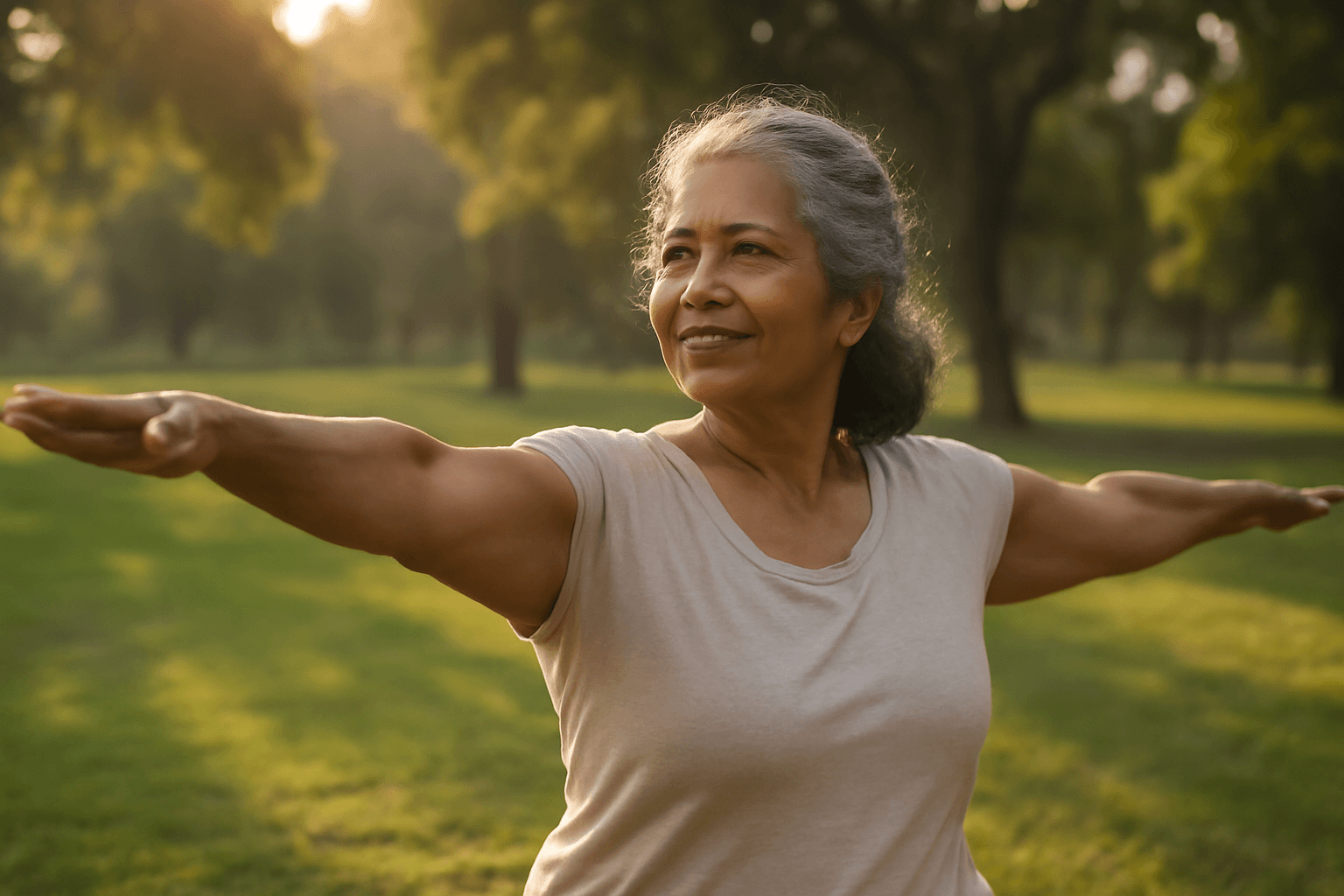
Osteoporosis is sometimes called a silent disease, and the name is well earned. It quietly weakens the bones over years without any pain or symptoms, and very often the first sign anything is wrong is a fracture from a minor fall that should never have broken a bone. Understanding it before that point is the whole game.
Bone is living tissue that is constantly being broken down and rebuilt. In our younger years rebuilding keeps pace, but with age, and especially after menopause in women, the balance tips and bone is lost faster than it is replaced. The bone becomes porous and fragile. This is why a stumble that would once have caused nothing more than a bruise can, in later life, fracture a wrist, a spine bone, or — most seriously — a hip.
Women over 50 are at particular risk because the drop in oestrogen after menopause speeds up bone loss, but men are affected too, just later. Other factors include a family history, a slight build, smoking, heavy alcohol use, and certain long-term medications.
The encouraging news is that bone health responds to action. A diet rich in calcium — dairy, ragi, leafy greens, fish — gives the body the raw material to maintain bone. Vitamin D, which the body makes from sunlight and which is often low, is essential for absorbing that calcium. Weight-bearing exercise such as walking, and simple strength work, signal the bones to stay strong. Stopping smoking and limiting alcohol protect what you have.
For those at risk, a bone density test is a simple, painless scan that measures how strong the bones are and identifies osteoporosis before a fracture happens. Where treatment is needed, effective medications can slow bone loss and reduce fracture risk significantly.
Perhaps most importantly, preventing falls in the home — good lighting, removing loose mats, handrails where needed — stops the accidents that turn fragile bones into broken ones.
If you are over 50, especially if you are a woman past menopause or have a family history, it is worth knowing where your bones stand. KT Hospital, Dindigul, offers on-site diagnostics and can advise you on protecting your bone health before a fracture ever occurs.
Frequently asked questions
Does osteoporosis have symptoms?
Usually none until a bone breaks. That is why testing and prevention before a fracture are so important.
Who is most at risk of osteoporosis?
Women over 50 after menopause are at highest risk, along with anyone with a family history, slight build, or smoking and heavy alcohol use.
Can I strengthen my bones?
Yes — calcium-rich food, vitamin D, weight-bearing exercise and, where needed, medication all help maintain bone strength.
Have a question about your health?
Our specialists are here to help. Book an appointment or call us any time — we're open 24 hours.
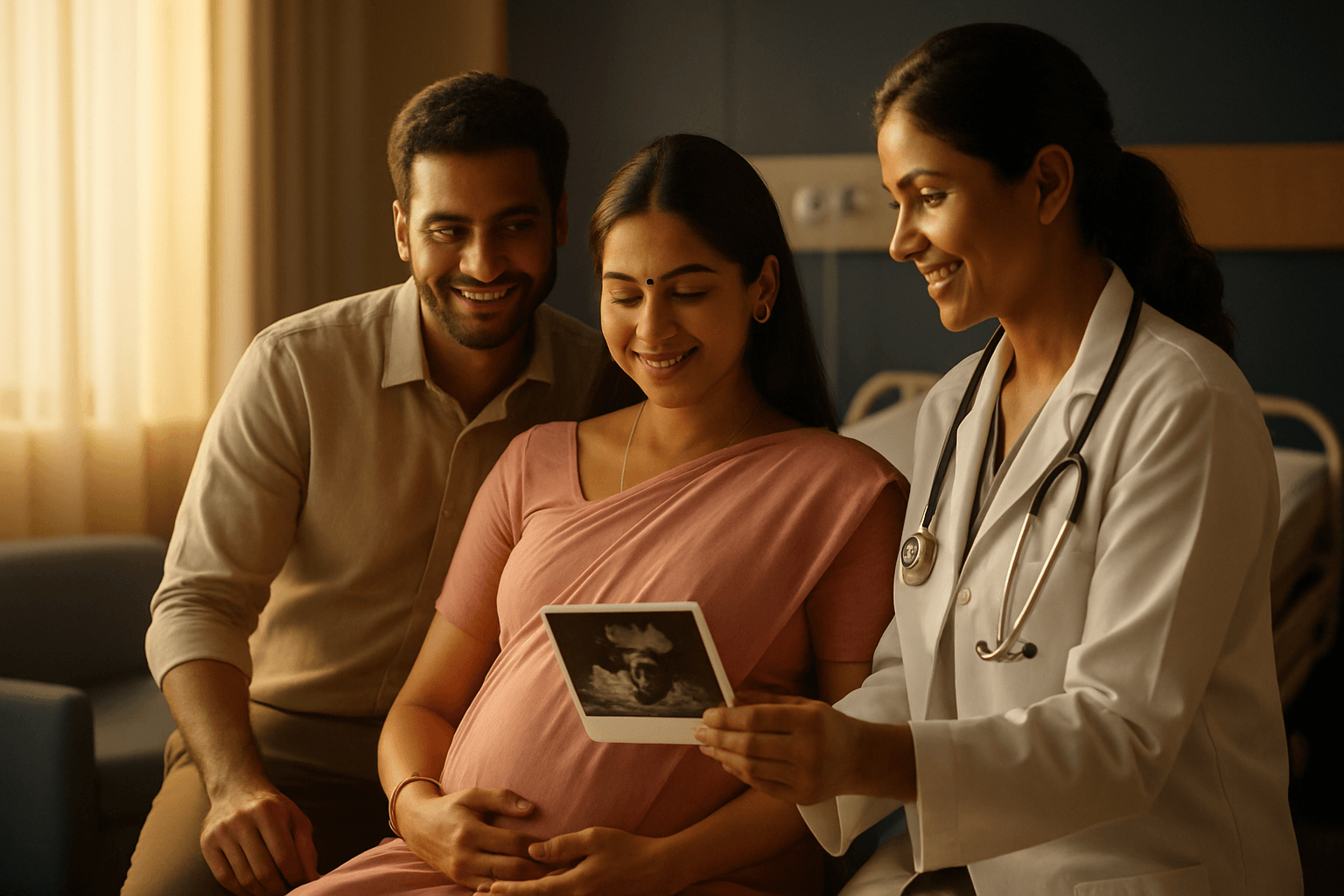
Pregnancy Care, Trimester by Trimester: Scans, Check-ups and Warning Signs
From the first scan to delivery day, good pregnancy care follows a clear rhythm. Here is what happens in each trimester — and the signs that should never wait.

Women's Health After 30: The Check-ups Every Woman Should Not Skip
Most women look after everyone but themselves. These are the screenings and check-ups that quietly protect your health after 30 — and when to book each one.