
Knee Pain in Your 40s and 50s: When It's Wear-and-Tear and When It's Serious
Not all knee pain needs surgery. Learn the difference between normal wear-and-tear and a problem that needs a doctor — KT Hospital, Dindigul.
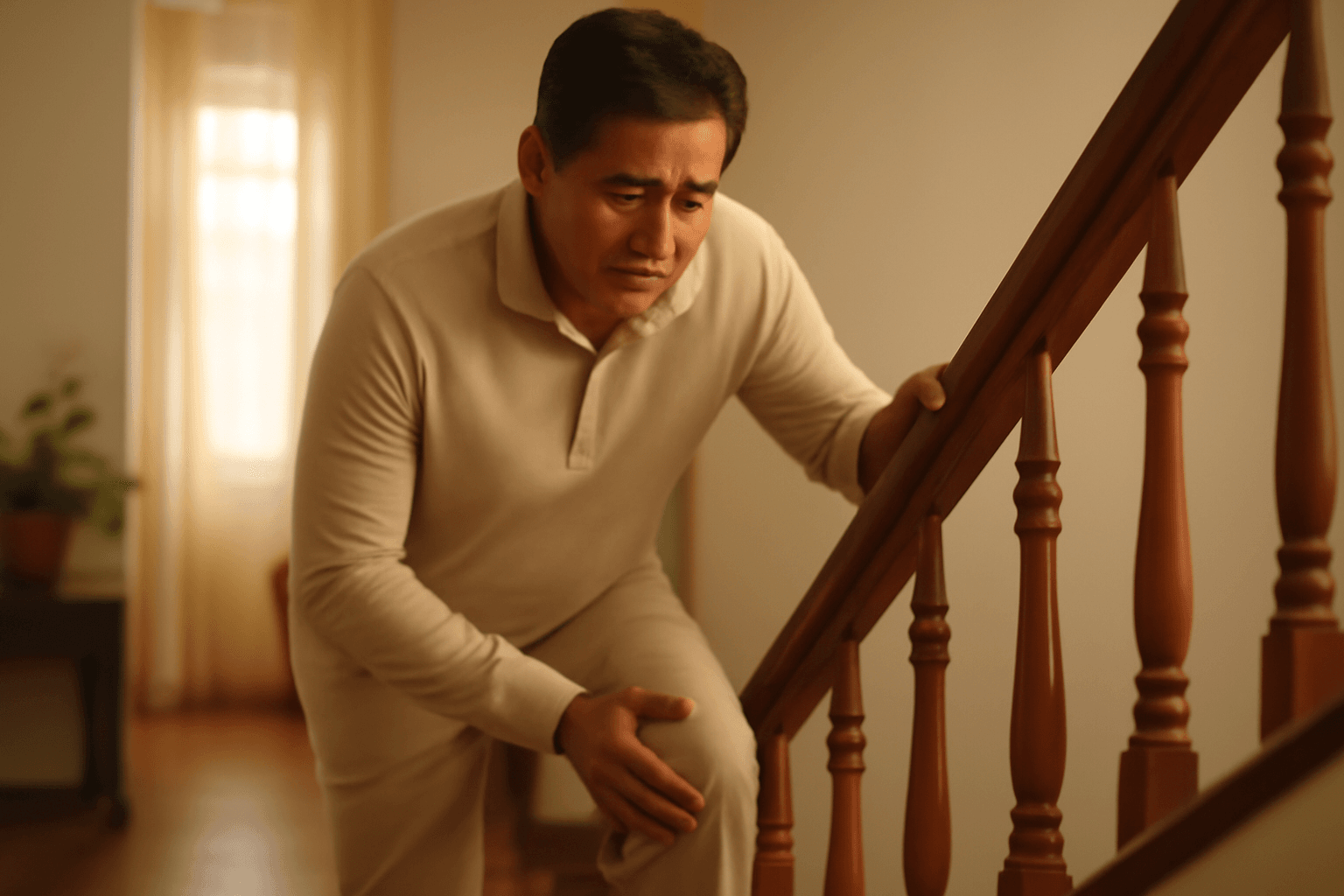
Knee pain in middle age is so common that many people simply accept it as part of getting older. Much of the time that is reasonable — but some knee pain is a signal that should not be ignored, and knowing the difference saves you both unnecessary worry and the risk of leaving a real problem too long.
As we move through our forties and fifties, the cartilage that cushions the knee gradually thins. This early wear, the beginning of osteoarthritis, causes the familiar aching after a long walk, stiffness when you first get up, and a knee that grumbles on the stairs. It tends to come and go, is worse after activity, and eases with rest. This kind of pain is usually manageable and rarely an emergency.
There are, however, signs that point to something needing a proper look. A knee that suddenly swells up, that locks or catches so you cannot fully straighten it, that gives way underneath you, or that becomes hot and red, is telling you more than simple wear-and-tear. Pain that is severe, that keeps you awake at night, or that follows a clear injury also deserves assessment. A locking knee can mean a torn cartilage; a giving-way knee can mean a ligament problem; heat and redness can signal infection or inflammation.
For everyday wear-and-tear, a lot can be done at home before any doctor is involved. Keeping to a healthy weight takes a surprising load off the knees. Staying active with low-impact exercise, strengthening the muscles around the knee, and using simple pain relief when needed all help. Crucially, rest does not mean stopping moving altogether — strong thigh muscles are one of the best protections a worn knee has.
When home measures stop being enough, treatment follows a ladder: physiotherapy and exercise first, then injections if needed, and only at the far end, for severely worn joints, does knee replacement come into the picture. The great majority of people never reach that final step.
If your knee is doing any of the worrying things above, or if pain is steadily taking more from your life, have it looked at. Dr. Durai Murugan explains knee pain in plain language — including in his Tamil videos — and the same approach is what you will find at KT Hospital, Dindigul.
Frequently asked questions
When should I worry about knee pain?
See a doctor if your knee locks, gives way, swells suddenly, becomes hot and red, or if pain is severe or keeps you awake.
Does knee pain mean I will need surgery?
Rarely. Most knee pain is managed with weight control, exercise, physiotherapy and sometimes injections. Surgery is a last resort.
Is it bad to keep using a painful knee?
Gentle low-impact activity and strengthening the surrounding muscles actually protect a worn knee. Complete rest tends to weaken it.
Have a question about your health?
Our specialists are here to help. Book an appointment or call us any time — we're open 24 hours.

Pregnancy Care, Trimester by Trimester: Scans, Check-ups and Warning Signs
From the first scan to delivery day, good pregnancy care follows a clear rhythm. Here is what happens in each trimester — and the signs that should never wait.

Women's Health After 30: The Check-ups Every Woman Should Not Skip
Most women look after everyone but themselves. These are the screenings and check-ups that quietly protect your health after 30 — and when to book each one.