
What to Do After a Road Accident Fracture: A Step-by-Step Guide for Families
After a road accident, the first hours matter. A clear guide on moving the patient safely and what to expect at KT Hospital's 24/7 trauma care, Dindigul.
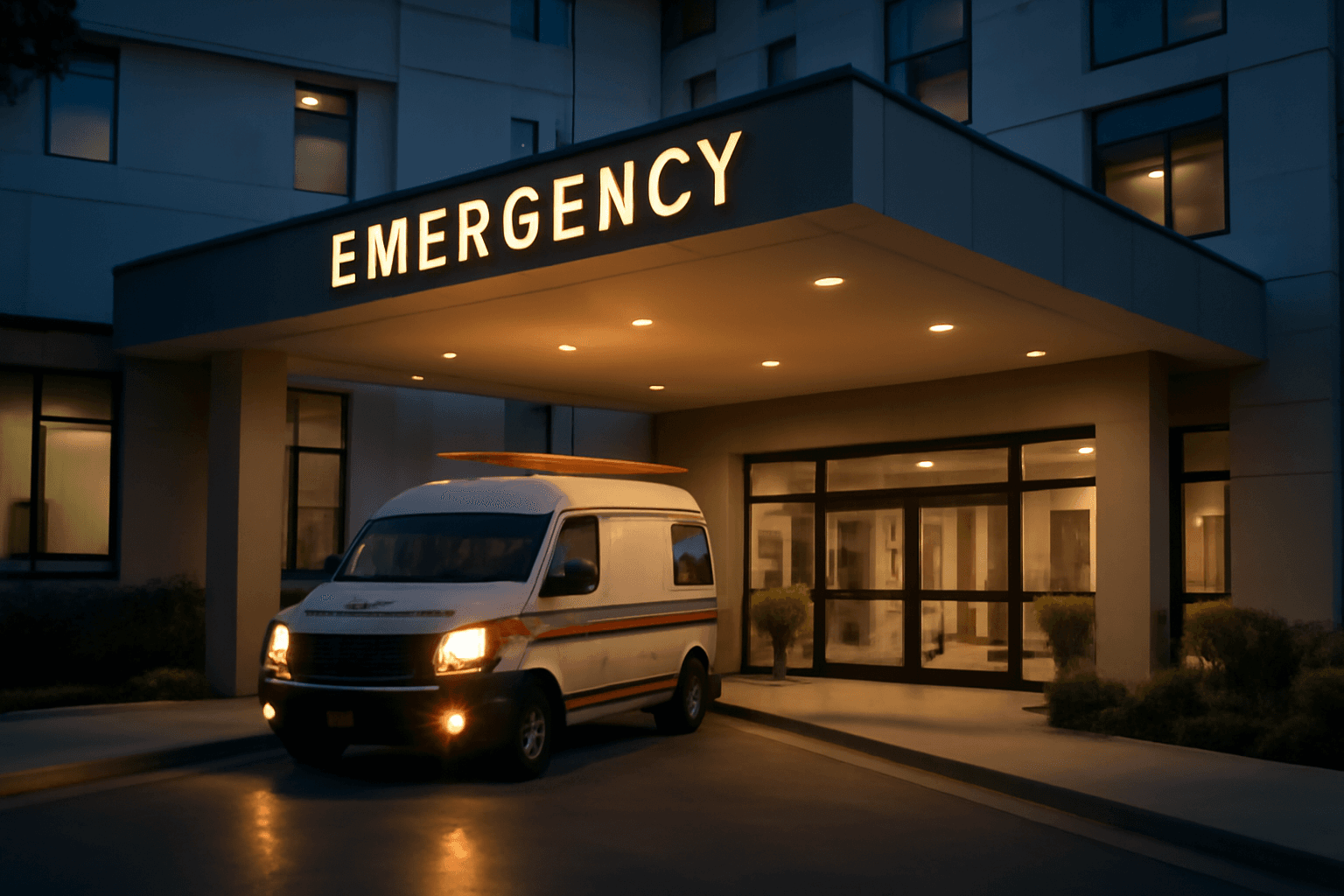
In the minutes after a road accident, families are frightened and unsure what to do. A few calm, correct actions in those first moments can genuinely change the outcome, so it is worth knowing them before you ever need them.
The first rule is to avoid making the injury worse. If someone has a suspected fracture, do not try to straighten the limb or force them to walk on it. Do not pull a helmet off a motorcyclist with a possible neck or head injury unless they cannot breathe. Keep the person still, support the injured part, and stop any heavy bleeding with firm pressure using a clean cloth. If the person is unconscious but breathing, do not move the neck unnecessarily.
The second rule is not to delay. With fractures, and especially with the multiple injuries that road accidents cause, the early hours matter. Internal bleeding, injuries that are not obvious from the outside, and fractures that need fixing quickly are all reasons to get to a hospital with a proper casualty department rather than waiting to see if things improve.
KT Hospital's casualty is staffed around the clock, every day of the year. When a trauma patient arrives, the team first checks the things that are immediately life-threatening — breathing, circulation, major bleeding — before turning to the fractures themselves. X-rays and scans are done on the same campus, so there is no delay sending the patient elsewhere for imaging.
From there, treatment depends on the injury. A simple break may be set and supported in a cast. Complex fractures — bones broken in several places, or injuries from high-speed accidents — are fixed with plates, nails or external frames, often on the same day. Because the hospital has its own ICU and critical care, seriously injured patients can be looked after through the most dangerous period without being moved.
Recovery does not end when the bone is fixed. Staged physiotherapy begins early, with clear milestones, until the bone is strong enough to bear full weight again.
KT Super Speciality Hospital is on Palani Road, near the Palani bye-pass junction in Dindigul, and the doors are open every hour of every day. Save the number now, so that if the day ever comes, you are not searching for it.
Frequently asked questions
Should I move someone with a suspected fracture?
Keep them still and support the injured part. Do not straighten the limb or make them walk on it, and avoid moving the neck if a spinal injury is possible.
Is KT Hospital open at night for accidents?
Yes. The casualty department is staffed 24 hours a day, every day of the year, with on-site X-ray, scans and ICU.
How are complex fractures treated?
They are fixed with plates, nails or external frames, often on the same day, followed by staged physiotherapy.
Have a question about your health?
Our specialists are here to help. Book an appointment or call us any time — we're open 24 hours.
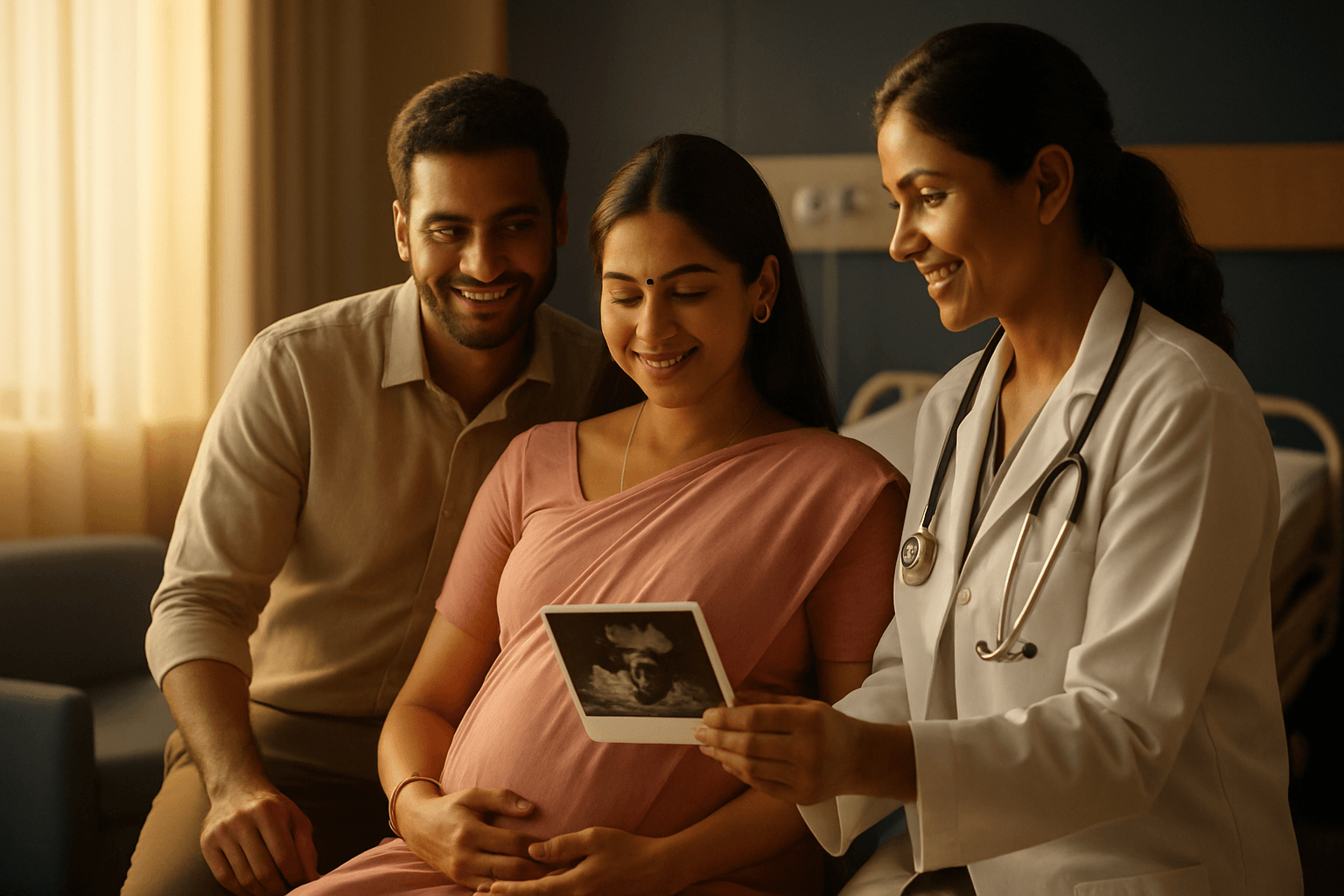
Pregnancy Care, Trimester by Trimester: Scans, Check-ups and Warning Signs
From the first scan to delivery day, good pregnancy care follows a clear rhythm. Here is what happens in each trimester — and the signs that should never wait.

Women's Health After 30: The Check-ups Every Woman Should Not Skip
Most women look after everyone but themselves. These are the screenings and check-ups that quietly protect your health after 30 — and when to book each one.